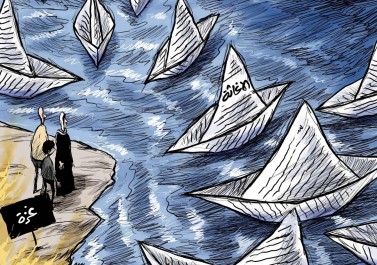



:West Bank- Nawa Network- Filastiniyat
Every morning, shepherd Khaled Marei faces the same dilemma: Should he take his flock out to graze, or keep the sheep close to home, even if that means paying for feed he can barely afford?
In the northern Jordan Valley, taking his livestock to the land where generations of Palestinian shepherds have grazed is no longer an ordinary part of the day. The road to the pasture can end in a confrontation with armed settlers. A flock that leaves in search of grass may return fewer sheep, or not return at all.
"As soon as I arrive, armed settlers gather around me," Marei told Nawa. "Either they shoot at the flock directly, or they sneak into the grazing areas and springs and spread poison where the animals drink."
For Marei, the loss of sheep is no longer an isolated misfortune. Every dead animal represents a loss of family wealth. Every pasture closed off to him means another expense for feed. And every morning he hesitates before taking his flock out is another day in which the family livelihood passed down through his generations edges closer to collapse.
"I have lost a large number of sheep because of the poison," he said. "The aim is not simply to cause harm or destruction. It is a systematic effort to eliminate everything that allows Palestinian shepherds to remain on their land and endure."
"The aim is a systematic effort to eliminate everything that allows Palestinian shepherds to remain."
Across other parts of the occupied West Bank, shepherds describe facing similar threats in different forms.
In Wadi al-Bayda, near the town of Idhna, west of Hebron, shepherd Mohammad Basharat said, "Israeli soldiers opened fire directly at his sheep, killing three and injuring several others."
"They do not fire into the air to make us leave," Basharat said. "They deliberately shoot at the sheep, aiming to kill them."
"They are killing our livestock for no reason," he added. "They are destroying our only source of income so that we will leave and abandon the land."
"They are destroying our only source of income so that we will leave and abandon the land."
The pressure on Palestinian shepherds and livestock owners takes many forms: shooting animals, poisoning grazing areas and water sources, stealing entire flocks, restricting access to pastures and water, and physically attacking shepherds and forcing them away from land they have traditionally used.
United Nations documentation indicates that such pressures have become an increasingly common reality for pastoral communities. In the northern Jordan Valley, the U.N. has documented physical attacks on shepherds, gunfire, the theft and destruction of mobile phones used by residents to document violations, and the seizure of property and livelihood assets tied to livelihoods.
In the Dar Fazza'a area and the community of East Taybeh in Ramallah governorate, the United Nations documented repeated attacks in 2026, including incursions into residential areas, intimidation and physical assault, damage to infrastructure, restrictions on access to grazing land, and the destruction or confiscation of livelihood assets, including animal feed. Residents have also reported being prevented from reaching water sources they depend on.
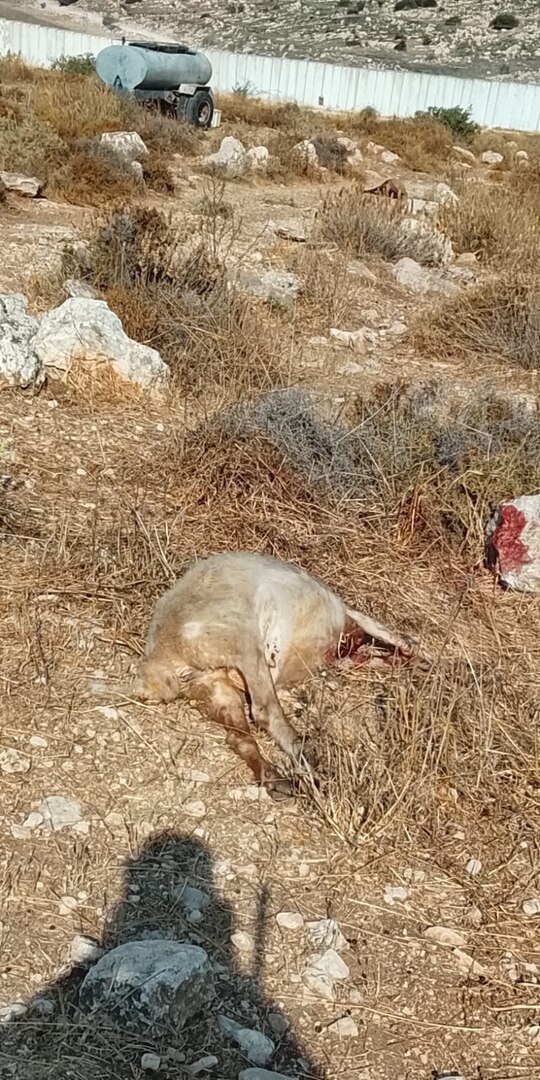
In the Jordan Valley, even water has become entangled in the struggle over land. U.N. reports have documented attacks affecting water sources and related infrastructure, while restrictions on access to pasture and water have increased costs for pastoral communities whose livelihoods depend heavily on livestock.
In the al-Burj area of the Jordan Valley, members of the Daraghmeh family said they were attacked while grazing their animals in open areas. The assaults included beatings, and several people were taken to hospitals with injuries they attributed to the attacks.
In Masafer Yatta, shepherds likewise describe repeated expulsions from grazing areas, physical assaults and harassment near Israeli settlement outposts.
In April 2026, the United Nations documented the displacement of seven Bedouin families in Tubas governorate, comprising 47 people, including 28 children. The families had faced repeated settler attacks, including incursions into their homes, restrictions on grazing and threats of expulsion.
In January 2026, the United Nations said the Khallayleh–Al-Auja community in the Jordan Valley, once home to around 600 people, had been entirely displaced after years of attacks and restrictions on access to grazing areas and water, alongside livestock theft and repeated assaults.
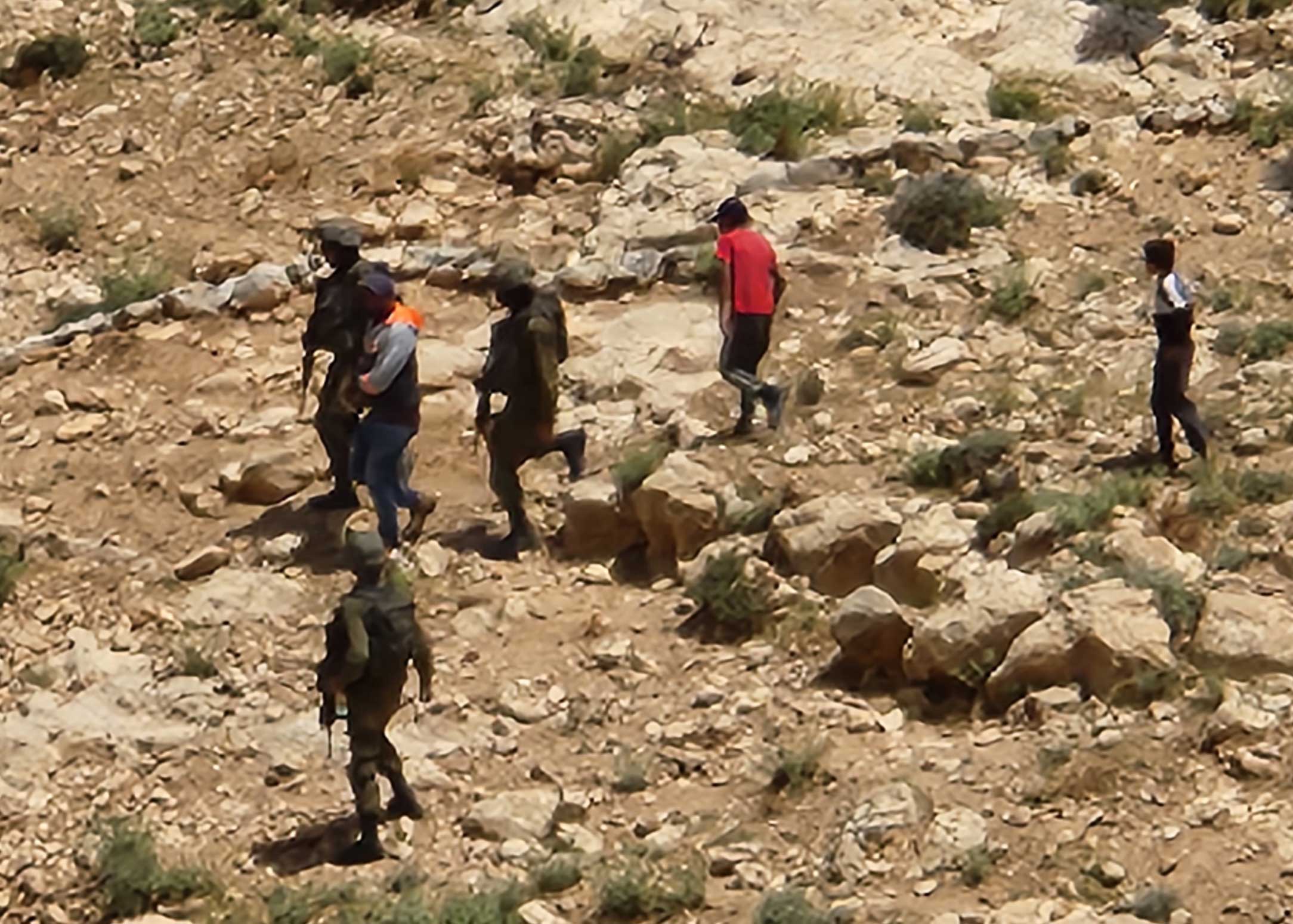
In some cases, the issue is no longer simply whether a shepherd can reach his flock. It is whether he has a flock left to return to.
In February 2026, the Israeli human rights organization B'Tselem documented an incident in the town of Mikhmas, southeast of Ramallah, in which settlers attacked shepherds and stole hundreds of sheep. According to the organization, Israeli soldiers provided protection during the incident.
In another case, B'Tselem documented attacks on livestock elsewhere in the West Bank, including animals being beaten with stones and sticks. The organization described such violence as part of broader pressure on Palestinian communities and their sources of livelihood.
For Marei, Basharat and other shepherds, the equation is brutally simple: fewer sheep mean less income; less access to pasture means higher costs; and greater fear of taking their livestock out to graze means a weaker connection to the land itself.
But the equation is not merely economic.
Salah al-Khawaja, a specialist in Israeli settlement activity, says the targeting of livestock cannot be separated from the broader pressure exerted on pastoral communities. Destroying livestock, he argues, strikes at one of the main pillars that allow shepherds to remain in their communities.
"Destroying livestock strikes at one of the main pillars that allow shepherds to remain in their communities."
"Livestock have become direct targets of killing as part of a broader plan to destroy the basic means of livelihood that allow Palestinian shepherds and farmers to remain on their land," al-Khawaja said.
He argues that what is happening goes beyond attacks on individual property and forms part of a wider process aimed at depopulating parts of the West Bank's Area C, the roughly 60 percent of the West Bank under full Israeli military and civil control, in favor of settlement expansion.
The United Nations has similarly warned that settler violence, along with restrictions on access to land, water and grazing areas, is contributing to the displacement of pastoral communities, particularly in the Jordan Valley and Masafer Yatta.
For Khaled Marei, however, the broader political reality is felt in much more immediate terms. It is the moment each morning when he stands before his flock and weighs the risks. He is not only afraid that his sheep may be killed. He fears that one morning he will no longer have enough animals to sustain his livelihood, enough land that he can safely access, or enough options to remain.
And when a shepherd begins to fear taking his flock out to graze, the loss is no longer measured only in sheep. It is measured in the shrinking possibility of staying.