


:Gaza- Nawa Network- Filastiniyat
For more than two months, no sugar has entered Gaza. The crossings are closed, and supply chains have been cut off under the weight of siege and war, causing sugar to disappear completely from markets, homes, shelters, and aid packages. Sugar is no longer just an ingredient in tea; it has become a symbol of survival.
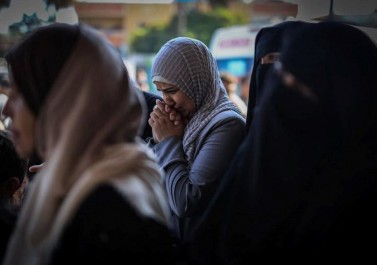
Eight-year-old Hadi al-Derawi suffers from type 1 diabetes. His mother, Huda al-Darawi, recounts a terrifying moment during one summer night inside a displacement tent in Deir al-Balah. “It was 3 a.m., and he woke up sweating and trembling. I immediately knew his blood sugar had dropped. I had nothing: no juice, no candy, not even a piece of bread.” Huda hurriedly went out of the tent, knocking on neighboring tents, whispering for help so she wouldn’t wake the children. After minutes, a woman handed her half a date. She put it into her son’s mouth, praying he would survive. “He survived that night, but I don’t want my son’s life to depend on luck.”
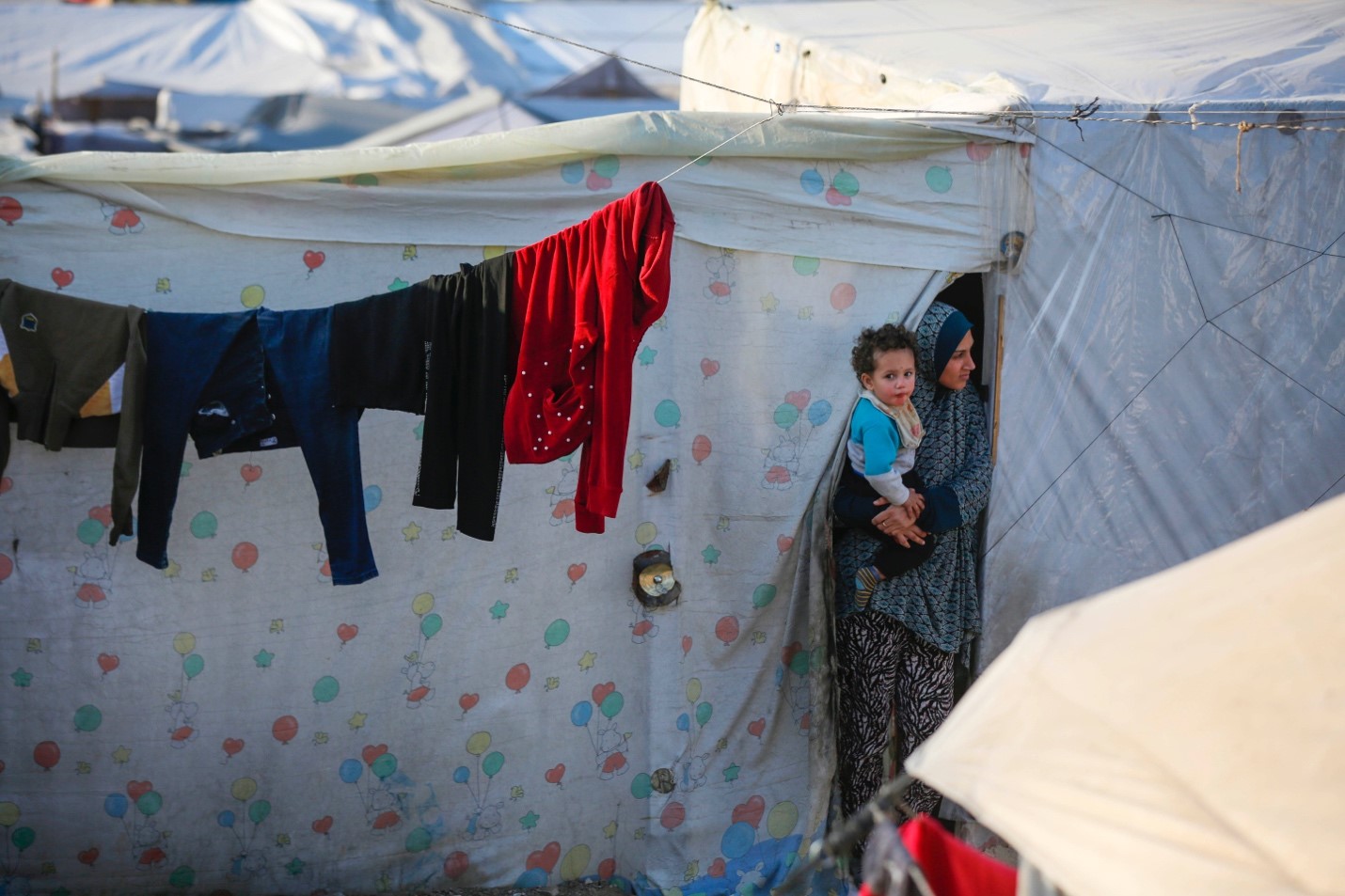
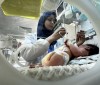
Hundreds of children with diabetes across Gaza face the same risk. The sugar shortage is not only about food; it strikes at the core of daily healthcare, especially for the most vulnerable groups, like children and the elderly.
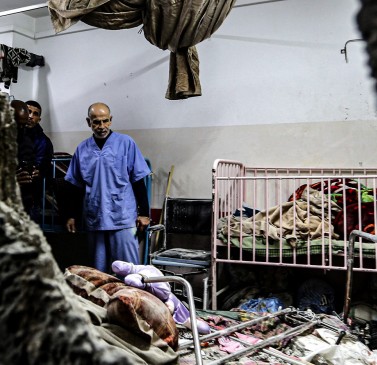
Seventy-three-year-old Samia Salim lives in a school turned into a shelter. She has type 2 diabetes and has not tasted sugar for more than two months. “I used to take a spoon of honey with my medicine every morning. Now I swallow the pill and pray my body does not collapse.” She has been hospitalized twice recently due to sudden low blood sugar. Hospitals are overwhelmed and only offer intravenous fluids and hope. “I don’t want to die because I couldn’t find something as simple as sugar. It is humiliating.”
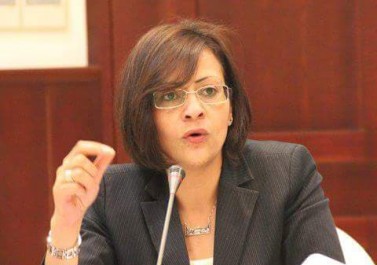
Dr. Alaa Abu Rahma, a physician working in central Gaza, describes the daily scene with clear pain. “Children lose consciousness just because they can’t find a piece of candy. We advise mothers to rub date syrup on their children’s gums if they can find any.” She explains that sugar is no longer just food. “To the outside world, sugar may seem harmful, but here in Gaza, sugar is medicine. For sick children, the elderly, and those suffering from malnutrition it is a lifeline.”
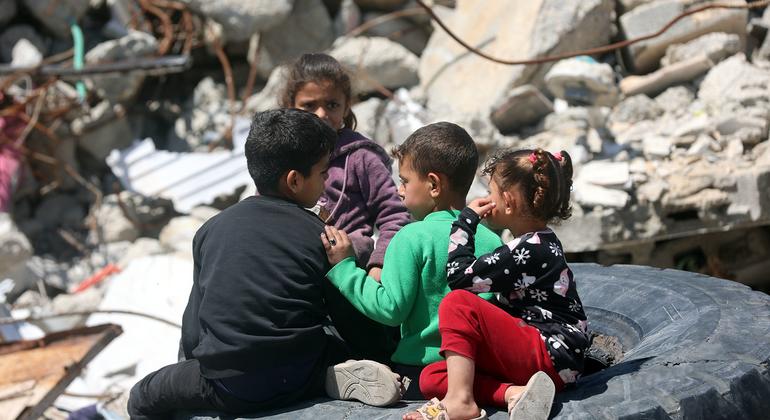
The disappearance of sugar is more than a food shortage. It is a loss of safety and dignity. Children haven’t tasted candy in months. The elderly fear going to sleep. Doctors are forced to improvise treatments. In Gaza, a spoonful of sugar can mean the difference between life and death.
In a place exhausted by war, the pain is no longer only in the sound of explosions but in the silent details that fade away unnoticed. To the world, a sugar shortage may seem trivial. But in Gaza, it means a life slipping away, a child not waking up, a mother breaking down. Should Gaza be denied even the smallest taste of sweetness? Has sugar become a luxury under siege? Here, in Gaza, a spoonful of sugar may save a life.